
We are a Orion authorized dealer so you get up-to-date, fully warrantied products. Shipping is free to the lower 48 states on everything you order!
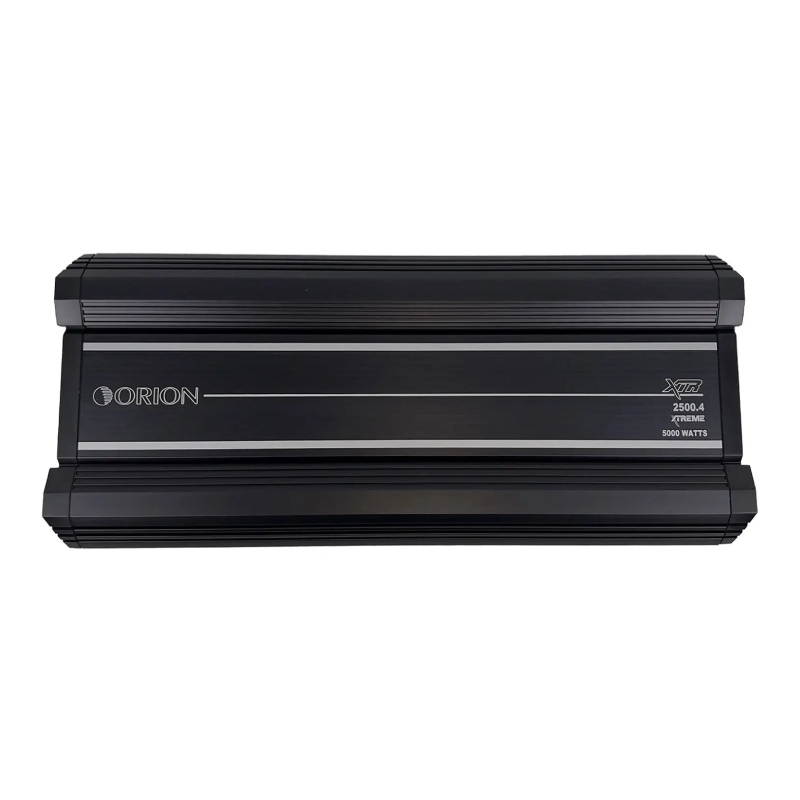
Experience the pinnacle of efficiency and precision with Class AB Amplification, delivering supreme power and accurate sound reproduction for a refined listening experience. Immerse yourself in a world of supreme audio excellence with 2500 Watts RMS, offering uncompromising clarity and powerful sound performance. Achieve perfect balance with Precision Audio Control, using the adjustable built-in crossover for precise calibration of audio frequencies to maximize speaker performance.
Elevate your low-end response with Customized Bass Enhancement, an adjustable bass boost feature that produces deep, impactful, and resonant bass tones that bring your music to life. Drive with confidence knowing Advanced Protection Measures include integrated protection circuitry that safeguards the amplifier from overheating and short circuits, ensuring long-term durability and stable performance.
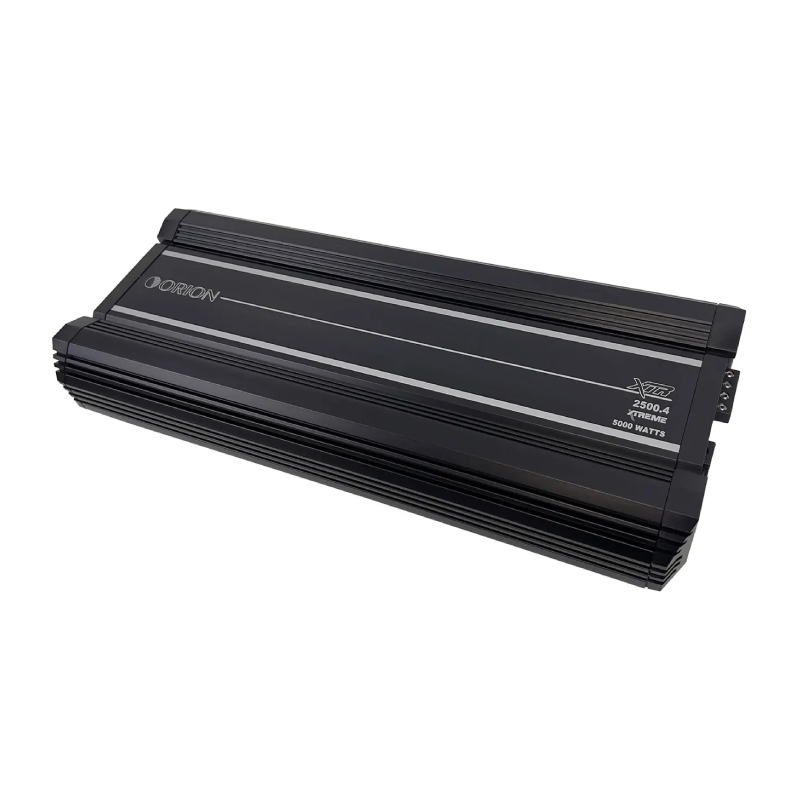
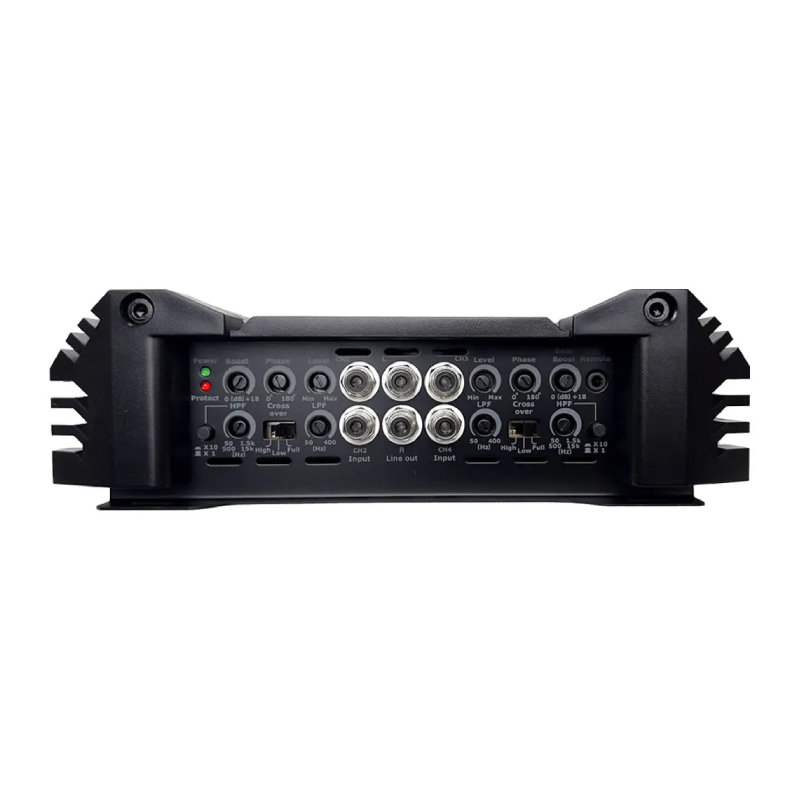
The Compact and Stylish Design features sleek aesthetics and a space-saving build, allowing flexible installation without sacrificing powerful performance or visual appeal. This unit embodies Engineered Excellence, being expertly crafted for superior audio precision, power efficiency, and reliable performance, delivering consistent excellence in every beat.
Features:
Specifications:
We are a Orion authorized dealer so you get up-to-date, fully warrantied products. Shipping is free to the lower 48 states on everything you order!
Experience the pinnacle of efficiency and precision with Class AB Amplification, delivering supreme power and accurate sound reproduction for a refined listening experience. Immerse yourself in a world of supreme audio excellence with 2500 Watts RMS, offering uncompromising clarity and powerful sound performance. Achieve perfect balance with Precision Audio Control, using the adjustable built-in crossover for precise calibration of audio frequencies to maximize speaker performance.
Elevate your low-end response with Customized Bass Enhancement, an adjustable bass boost feature that produces deep, impactful, and resonant bass tones that bring your music to life. Drive with confidence knowing Advanced Protection Measures include integrated protection circuitry that safeguards the amplifier from overheating and short circuits, ensuring long-term durability and stable performance.
The Compact and Stylish Design features sleek aesthetics and a space-saving build, allowing flexible installation without sacrificing powerful performance or visual appeal. This unit embodies Engineered Excellence, being expertly crafted for superior audio precision, power efficiency, and reliable performance, delivering consistent excellence in every beat.