
We are a Rockford Fosgate authorized dealer so you get up-to-date, fully warrantied products. Shipping is free to the lower 48 states on everything you order!
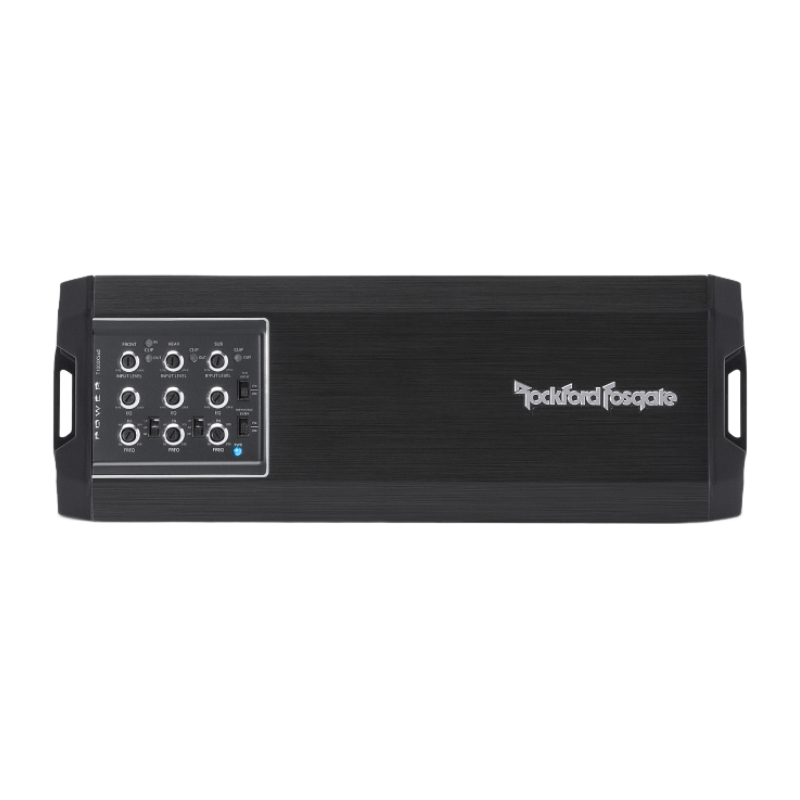
The T1000X5ad Element Ready multi-channel amplifier is a 1000-watt RMS unit built on our proprietary Class ad platform designed to deliver unprecedented sound quality with superior power efficiency. Combined with our Constant Power technology, this amplifier can easily exceed its rated power by up to 25% additional output per channel.
Amplifier top-mounted controls include our C.L.E.A.N. level setting system, integrated high/ low pass crossovers, Input channel configuration switches and our Punch EQ boost circuit. Upgraded input RCA connectors allow for high or low-level input signals to be used through our differential input circuit, which eliminates incoming noise and can provide a remote out signal when using high-level inputs.
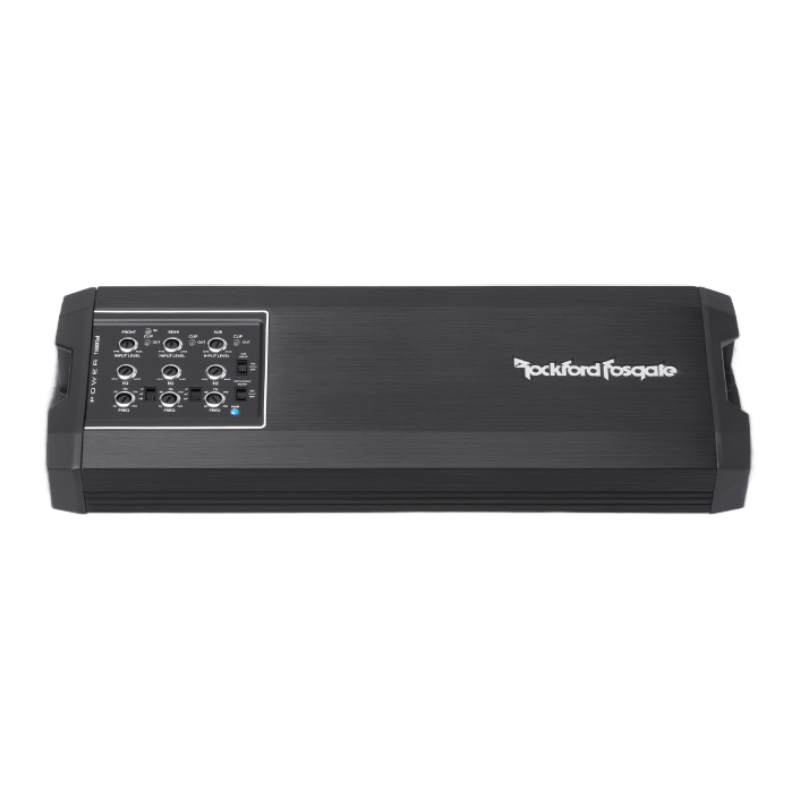
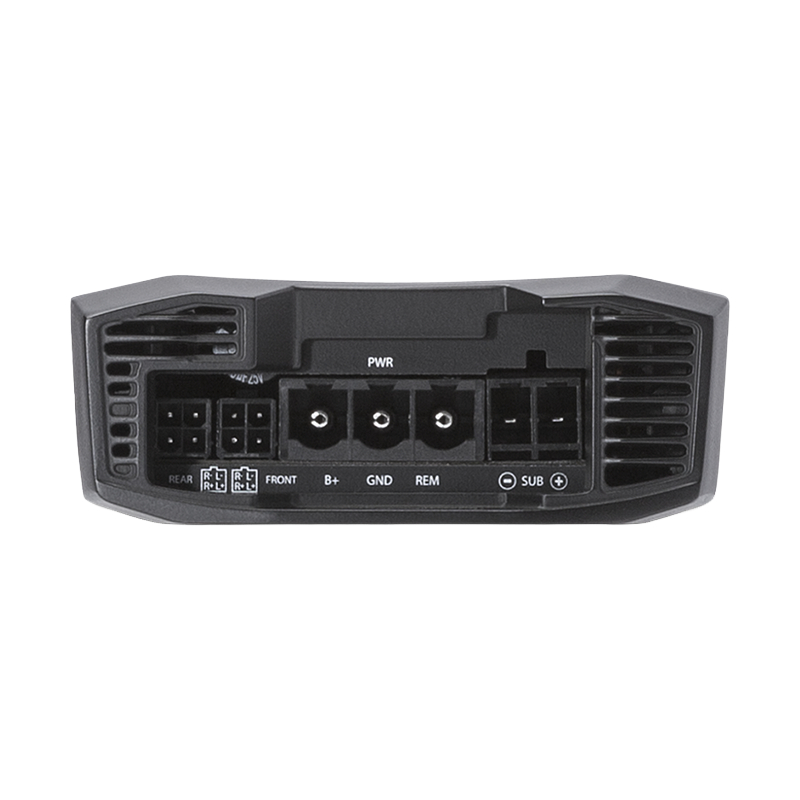
Dual fan cooling, real-time thermal monitoring and dual extruded heat sinks maintain heat dissipation even at high outputs, keeping the amp cool. The Amplifier is also compatible with our PLC2-level remote control, allowing remote output level control of the sub-channel.
Features:
Specifications:
We are a Rockford Fosgate authorized dealer so you get up-to-date, fully warrantied products. Shipping is free to the lower 48 states on everything you order!
The T1000X5ad Element Ready multi-channel amplifier is a 1000-watt RMS unit built on our proprietary Class ad platform designed to deliver unprecedented sound quality with superior power efficiency. Combined with our Constant Power technology, this amplifier can easily exceed its rated power by up to 25% additional output per channel.
Amplifier top-mounted controls include our C.L.E.A.N. level setting system, integrated high/ low pass crossovers, Input channel configuration switches and our Punch EQ boost circuit. Upgraded input RCA connectors allow for high or low-level input signals to be used through our differential input circuit, which eliminates incoming noise and can provide a remote out signal when using high-level inputs.
Dual fan cooling, real-time thermal monitoring and dual extruded heat sinks maintain heat dissipation even at high outputs, keeping the amp cool. The Amplifier is also compatible with our PLC2-level remote control, allowing remote output level control of the sub-channel.